

Benefits of Using Wood Pellets An Efficient and Eco-Friendly Energy Solution
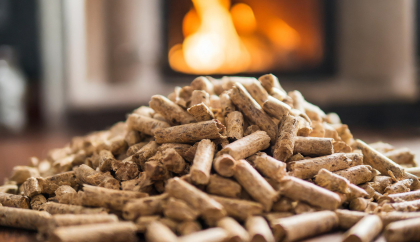
Wood pellets are a type of fuel made from sawdust and wood waste that are compacted into small cylindrical shapes. As awareness of the importance of renewable energy sources continues to grow, wood pellets are becoming an increasingly popular alternative to traditional fossil fuels. In addition to being environmentally friendly, wood pellets offer a number of benefits for both individuals and industries. In this article, we will discuss the various benefits of using wood pellets.
- A Renewable Energy Source
One of the main benefits of using wood pellets is that they come from renewable natural resources. The wood used to make the pellets comes from trees that can be replanted. This is different from fossil fuels like oil or coal, which are finite and depleting. By using wood pellets, we contribute to reducing dependence on fossil fuels and encourage the development of renewable energy sources.
- Reduces Carbon Emissions
Wood pellets are made from natural materials derived from wood. When wood is burned, the carbon released is the same carbon that was absorbed by the trees during their life. The burning process of wood pellets is considered carbon neutral because the amount of carbon released is equivalent to the amount that was previously absorbed by the trees. This makes wood pellets a more environmentally friendly option compared to burning fossil fuels, which produce greater greenhouse gas emissions.
- High Energy Efficiency
Wood pellets have a high energy density, meaning they can produce a large amount of energy per unit volume. Compared to traditional firewood, wood pellets burn more efficiently and produce less ash. This makes them a more practical and efficient choice for heating homes or for industrial applications. Additionally, wood pellets are easier to store, take up less space, and have a long shelf life.
- Reduces Wood Waste
The production of wood pellets helps to reduce wood waste that typically comes from the forestry industry, such as sawdust, branches, and other wood scraps. Instead of being discarded, these by-products are processed into wood pellets, which can be used as fuel. In this way, wood pellet production contributes to better forest management practices and reduces unused wood waste.
- More Stable Pricing
The price of wood pellets tends to be more stable compared to fossil fuel prices, which can fluctuate depending on global market conditions. Therefore, wood pellets can be a more economical choice in the long run because they are less affected by the volatility of fossil fuel prices. This provides price certainty for consumers and industries relying on a steady energy supply.
- Positive Impact on the Local Economy
The wood pellet industry not only benefits the environment but also supports the local economy. Wood pellet production often involves local communities in the process of harvesting and processing wood, creating job opportunities, and increasing local incomes. By utilizing local resources for wood pellet production, transportation costs are reduced, and regional economies can thrive.
- Flexible Usage
Wood pellets are highly versatile in their applications. They can be used for household heating, electricity generation, industrial boilers, as well as other applications such as drying and water heating. This versatility makes wood pellets a practical and adaptable fuel choice for a wide range of needs.
With the many benefits they offer, wood pellets are an environmentally friendly and efficient energy solution. They are a renewable energy source that helps reduce dependence on fossil fuels, lower carbon emissions, and have a positive impact on the local economy. Additionally, wood pellets are more efficient in their use and can be applied in various applications. As awareness of the importance of sustainability and clean energy continues to rise, the use of wood pellets is expected to grow in the future.